CNC Turned Components and Precision Rotational Parts
Precision CNC turned parts for shafts, pins, fittings and threaded components, with live tooling for cross-drilling in one setup, from prototype to small batch.
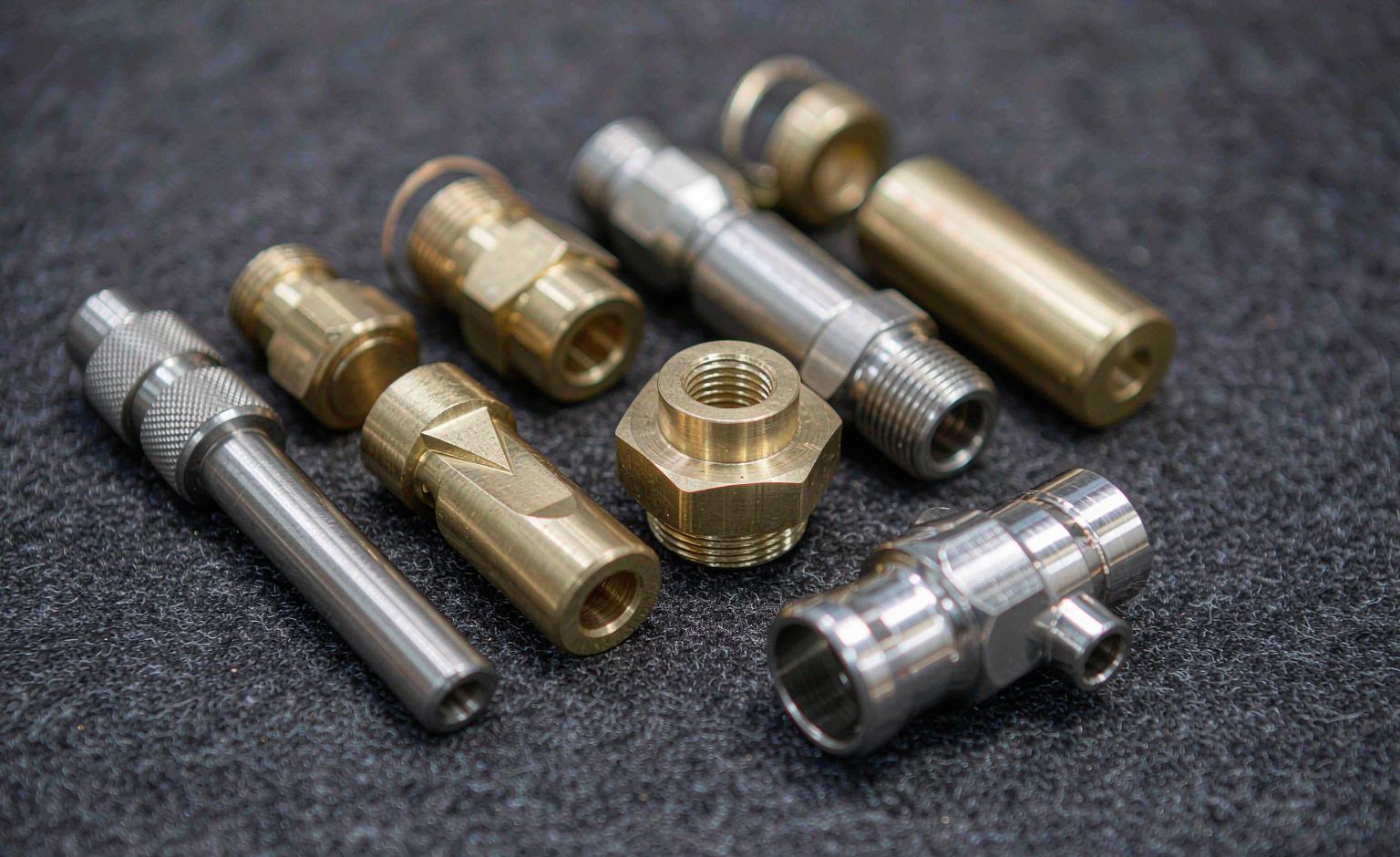
CNC turned components are rotationally symmetric parts produced on lathes where the workpiece spins and a stationary or driven tool removes material. Xinyuanmu Precision turns shafts, pins, bushings, fittings and threaded parts with live tooling for cross-drilling and milling in the same setup, targeting ±0.05 mm on diameters with tighter bands confirmed by inspection, from a single prototype to small-batch production.
Scope: what this product page covers
This page covers shafts, pins, bushings, spacers, fittings, connectors and threaded inserts. Parts whose dominant features are flat faces or deep pockets are usually cheaper milled. We machine to the tolerance on your drawing; the band below is a typical achievable target, confirmed per part at first article.
Specifications
| Diameter range | Confirmed per drawing and machine envelope |
|---|---|
| Tolerance on diameter | ±0.05 mm typical; tighter confirmed by FAI |
| Surface roughness | Ra 0.4 µm achievable |
| Live tooling | Cross-drill, slot, axial mill in one setup |
| Threads | Metric, UN, custom per drawing |
| Order quantity | 1 – 10,000 units per programme |
| Lead time | Agreed per quote |
Materials
- Stainless steel 303, 304, 316L, 17-4PH, SUS440C
- Brass and copper alloys
- Aluminium 6061-T6, 7075-T6
- Carbon and alloy steel on request
- Titanium Grade 5
- PEEK, POM and other engineering plastics
Manufacturing process
- Bar stock and material selection Bar diameter is chosen to minimise removal while leaving cleanup stock. Free-machining grades are used where corrosion requirements allow, to reduce cycle time.
- First and second operation Parts that cannot be completed in one operation are re-clamped so that diameters and features share a single datum wherever possible.
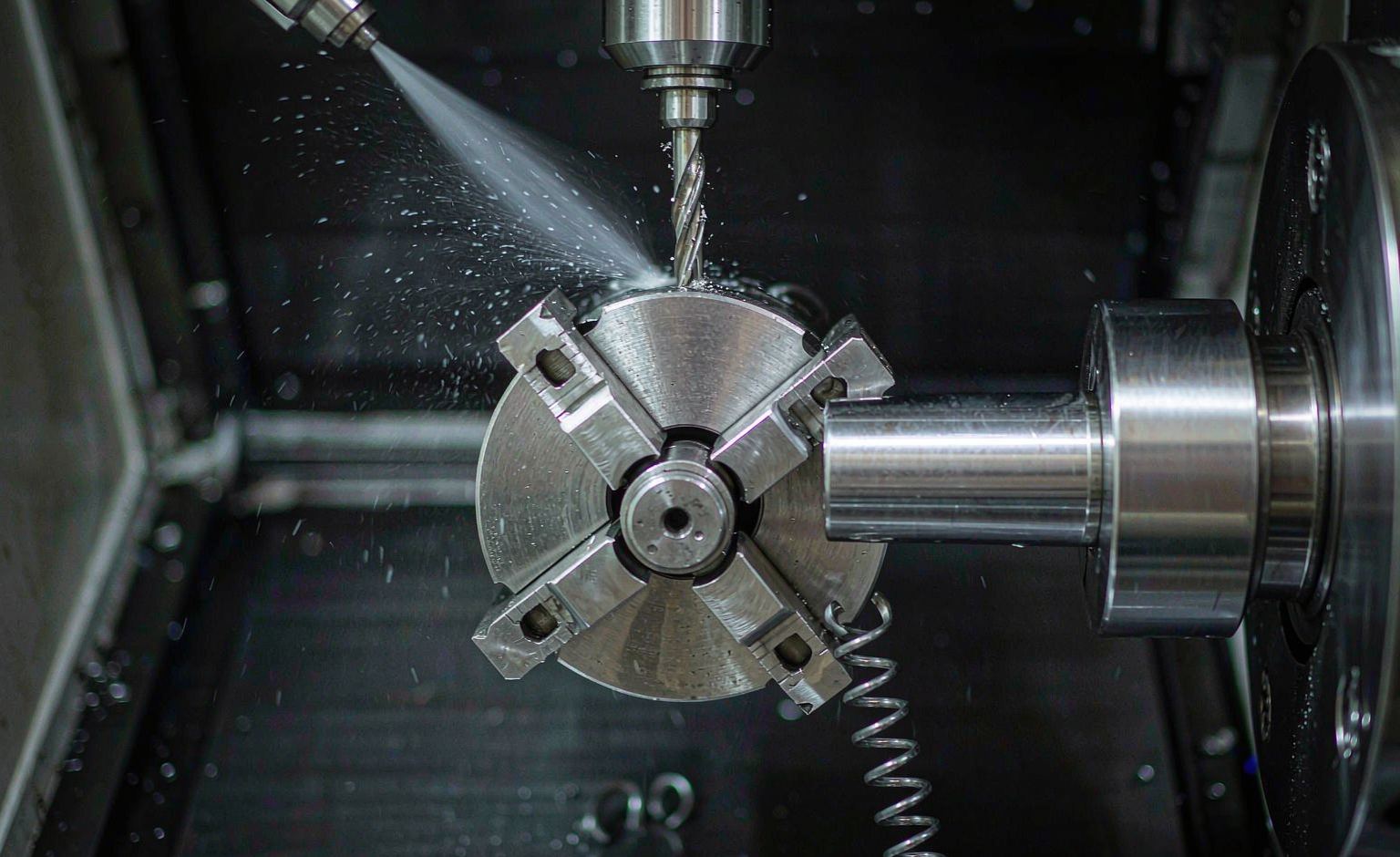
- Live tooling and milling Driven tools allow cross-holes, flats and slots without a second machine, which removes one setup and a repositioning error from the schedule.
- Threading and finishing Threads are cut or rolled depending on strength and wall requirements. Surface treatment is specified to keep the tolerance reserve on bores and threads.
- Inspection Diameters, threads and critical features are verified against the drawing, with first-article inspection on new part numbers.
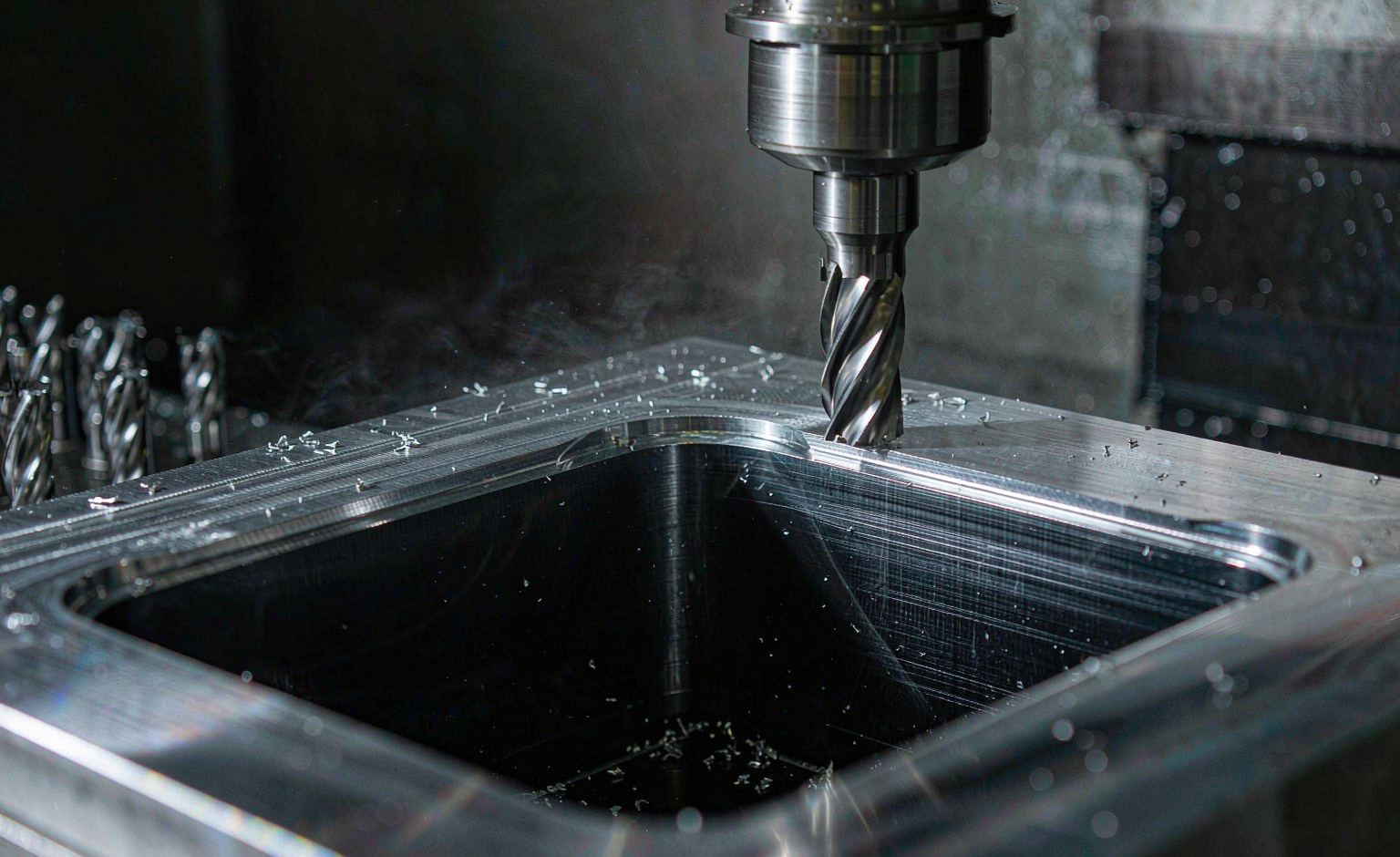
CNC Turned Components in production
Typical applications
- Hydraulic and pneumatic fittings
- Sensor and connector housings
- Precision shafts and drive pins
- Threaded inserts and standoffs
- Medical instrument components
- Optical and instrumentation shafts
Quality and documentation
- First-article inspection on new part numbers
- Thread and gauge verification
- Material certificates with heat-number traceability on request
- Dimensional inspection reports per lot
- NDA signed before any customer drawing is exchanged
What we do not do
We do not perform cold-heading, hot-forging or centreless grinding in-house. For very high volumes a cold-headed or screw-machine process may be cheaper per unit; we will say so in the quote rather than accept work that suits a different process. We do not claim certifications not yet formally held by Xinyuanmu, and controlled-project work is routed through our compliance gate.
Technical questions
What is the difference between CNC turning and Swiss turning?
CNC turning holds the bar in a chuck, so long slender parts can deflect. Swiss turning supports the workpiece close to the cutting tool, allowing high length-to-diameter ratios without chatter. We use the method suited to the part geometry rather than a single default.
Can you hold concentricity between two turned features?
Yes, when both features are machined in the same setup. If a second operation is required, concentricity depends on the clamping method, and we state the expected band at the DFM review rather than assume it.
Do you roll or cut threads?
Both. Rolled threads are stronger and often cheaper at volume because no material is removed; cut threads are used where the wall is too thin to roll or where the thread must run to a shoulder.
Adjacent products and capabilities
CNC Machined Precision Parts
CNC machined parts are metal or plastic components produced by subtractive cutting on computer-controlled milling and turning centres. Xinyuanmu Precision machines custom parts from customer drawings across aluminium, stainless steel, titanium and engineering plastics, targeting ±0.05 mm on general dimensions and tighter bands on critical features, with a written DFM review before every quote and first-article inspection on new part numbers..
View productPhotonics & Optical Components
Photonics and optical components are the mounts, housings and structural parts that hold lenses, fibres and optical sub-assemblies in alignment. Xinyuanmu Precision machines these parts from dimensionally stable materials to tight tolerances, with surface finish and clean handling controlled so that alignment and stray-light performance are preserved..
View productInspection & Documentation
First-article inspection, material certificates and dimensional reports for new part numbers.
Inspection capabilitySend drawings, get a review and a quote
Send a STEP file and a 2D drawing. You get a fixed-price quotation with lead time and a written DFM note — no obligation, and no sales call unless you ask for one.